
The Full Picture
How It Works at Centered Connections
From your first call to your feedback session, we are with you at every step.





The Free Consultation
A 15-minute call with your testing psychologist. A chance to talk through what you are looking for and make sure we are the right fit. No pressure, no commitment.
The Clinical Interview
Your first appointment, in person or via secure telehealth. Typically 90 minutes to two hours. This is where the real conversation begins.
Questionnaires
Forms about your history, daily life, and the concerns that brought you here. Completed at your own pace before testing begins.
Testing
One or two in-person sessions at our Sammamish office. Each is a dedicated block of time, typically a few hours, with breaks throughout.
Report & Feedback
Your psychologist writes a comprehensive report, then walks you through every finding together so you leave with real clarity.
The Full Picture
How It Works at Centered Connections
From your first call to your feedback session, we are with you at every step.
The Free Consultation
A 15-minute call with your testing psychologist. A chance to talk through what you are looking for and make sure we are the right fit. No pressure, no commitment.
The Clinical Interview
Your first appointment, in person or via secure telehealth. Typically 90 minutes to two hours. This is where the real conversation begins.
Questionnaires
Forms about your history, daily life, and the concerns that brought you here. Completed at your own pace before testing begins.
Testing
One or two in-person sessions at our Sammamish office. Each is a dedicated block of time, typically a few hours, with breaks throughout.
Report & Feedback
Your psychologist writes a comprehensive report, then walks you through every finding together so you leave with real clarity.
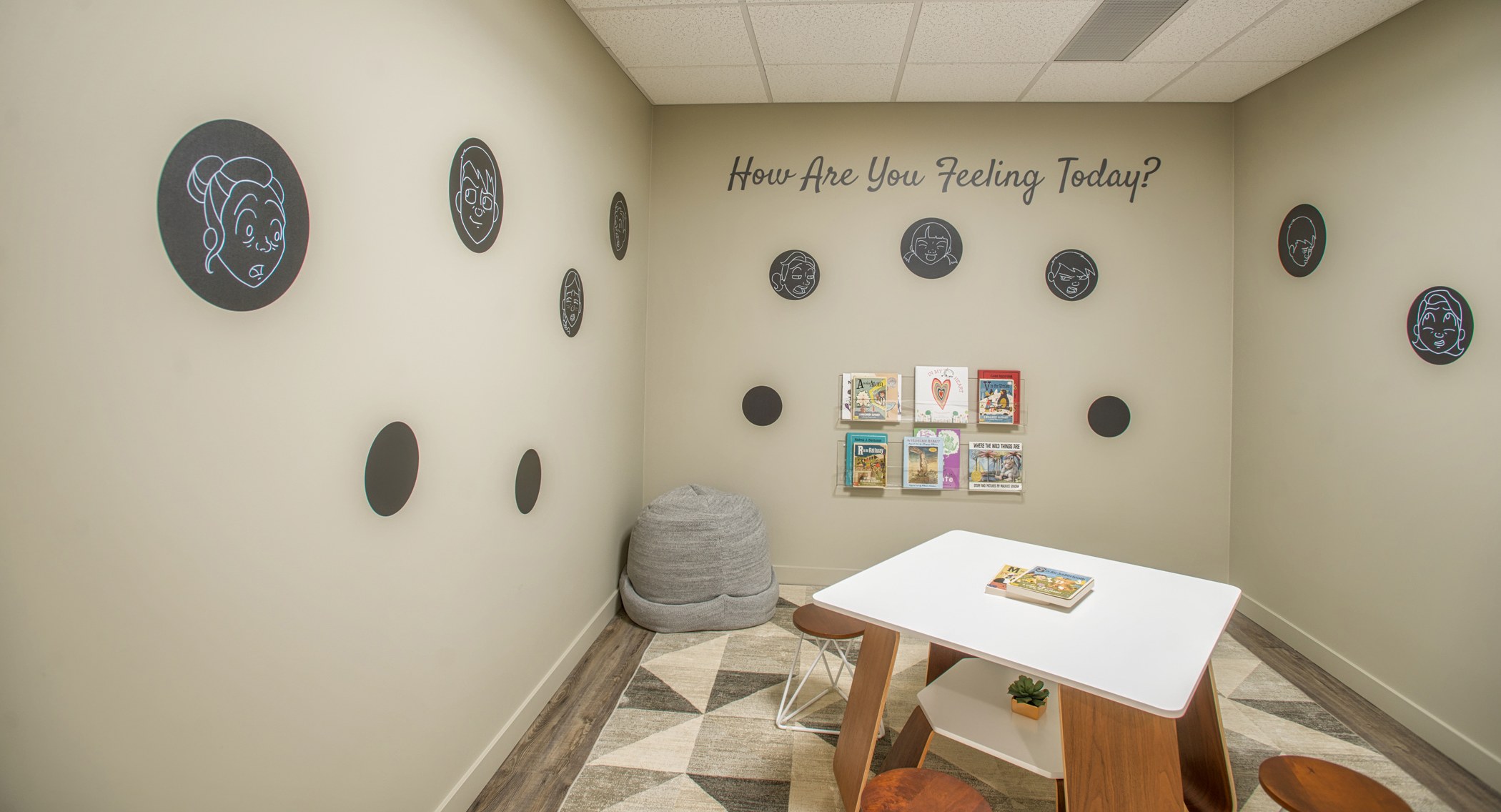
The Clinical Interview
The Clinical Interview — Where We Begin to Understand You
The clinical interview is your first appointment with your testing psychologist, in person at our Sammamish office or via secure telehealth depending on the nature of your assessment. It typically runs 90 minutes to two hours. It is one of the most important parts of the entire process. Everything that follows is shaped by this conversation.
This is not a test. There is nothing to pass.
It is a chance for your psychologist to understand who you are, or who your child is, before a single test is chosen.
For Parents of Children Being Assessed
You and your child will both be part of this appointment. Your psychologist will spend time with you gathering a detailed picture of your child’s history, development, school experience, medical background, what you have noticed at home, what has you concerned, and what questions you most need answered. Your child will also have time with the psychologist.
Come ready to talk. The more your psychologist understands going in, the more the assessment can be built around what actually matters to you. If you have previous evaluations, school records, report cards, or anything else that gives context, bring them or have them available.
For Adults Being Assessed
Your clinical interview may include both conversation and some initial testing. Your psychologist will ask about your history, your current challenges, and what brought you here. This is also when you will have a chance to shape the direction of the assessment, to say what questions matter most to you and what you are hoping to understand.
For Everyone
Before you leave, your psychologist will walk you through the next steps: the questionnaires, the testing schedule, and the plan going forward.
Questions always come up between appointments. We are here. Just reach out.
Before Testing
Before Testing: The Questionnaires
After your clinical interview, you will receive a set of questionnaires to complete before your testing appointment. These are completed at your own pace, at home, on your own schedule. You will receive clear instructions for how to access and return them. Please complete all questionnaires before your first testing day. This allows your psychologist to make the most of your time together.
This step matters more than it might seem. The questionnaires give your psychologist a detailed picture of how you or your child functions across different settings and situations, not just in a clinical room. Your answers, alongside the testing results, are what make the final report as complete and accurate as possible.
Please set aside uninterrupted time to complete them. Rushing through or skipping questions limits what the assessment can tell us, and ultimately limits how useful the report will be to you.
For Parents of Children Being Assessed
You will complete questionnaires about your child. In some cases, your child’s teacher will be asked to complete forms as well. You are responsible for coordinating this. We will give you everything your teacher needs, and clear instructions for how to get it to them and return it to us. It is worth reaching out to your child’s teacher early so there is plenty of time before the testing appointment.
For Adults and Adolescents
You will complete questionnaires about yourself. In some cases, someone who knows you well, a partner, a parent, or a close friend, may be asked to complete a brief informant form. Your psychologist will let you know if this applies to your assessment.
A Few Practical Notes
Complete the questionnaires on a computer rather than a phone where possible. Some forms are easier to navigate on a larger screen. Answer as honestly as you can. There are no right or wrong responses. And if you get stuck or have trouble accessing anything, reach out to us right away. We want to make sure everything is completed before your testing appointment so your time with the psychologist is as productive as possible.
Testing Day · Children
What to Expect on Testing Day — Your Child

By the time testing day arrives, your psychologist has already begun to understand your child, their history, their strengths, and the questions you want answered. Testing day is where that picture comes into focus.
Testing is scheduled as a dedicated block of time, typically a few hours per session. Most assessments involve two in-person sessions, usually scheduled within a week or two of each other. If a third session is needed, your psychologist will let you know.
A few things to do before you arrive. Make sure your child has had a good night’s sleep and a solid breakfast. Their brain does its best work when it is rested and fed. Pack a snack and water for breaks during the session. If your child uses glasses, hearing aids, or any other assistive devices, make sure they have them. And if your child has a comfort item they like, a small toy or a favorite fidget, they are welcome to bring it.
When you arrive, you and your child will meet with the psychologist together briefly. It is a chance to settle in, ask any last questions, and make sure your child feels comfortable before testing begins.
From there, parents are asked to step out. Not because your presence is unwelcome. Children work more naturally and more accurately one on one. The results are simply more useful that way. You are welcome to wait, grab a coffee nearby, or run an errand. Just stay reachable in case your child needs you or wraps up earlier than expected.

During the session your child will work through a variety of activities, some that feel more like games or puzzles, some more structured. Most children enjoy the one on one attention more than they expected to. They will have breaks. They can ask questions at any point. The psychologist is on their side throughout.
At the end of the session there is a brief check-in together. A chance to reconnect, ask any questions, and talk through the plan going forward.

And when you get home, celebrate them. Not for getting anything right, but for doing something that took courage. That is enough.
Testing Day · Adults & Adolescents
What to Expect on Testing Day — Adults and Adolescents

By the time you arrive for testing, your psychologist already has a meaningful picture of who you are. The clinical interview and the questionnaires have laid the groundwork. Testing day is where that picture comes into focus through a series of structured activities designed to show how your brain works.
There is nothing to study. Nothing to practice.
In fact the most useful thing you can do is show up as yourself, well rested, well fed, and present.
Before you arrive, get a good night’s sleep and eat a solid meal. Take your usual medications unless your psychologist has told you otherwise. Bring a snack and water. Breaks are built into the session and you will want them. If you use glasses, hearing aids, or any other assistive devices, make sure you have them with you.
Testing is scheduled as a dedicated block of time, typically a few hours. Some assessments require two sessions. Your psychologist will have let you know what to expect before you come in.
The activities themselves vary. Some involve puzzles or problem-solving. Some involve answering questions about yourself. Some are more like academic tasks. None of them have right or wrong answers in the way a school test does. They are designed to show your natural patterns, strengths, and the areas where support might make a difference. If something feels difficult, that is useful information. You are not failing. You are giving your psychologist exactly what they need.
You will have breaks throughout. You can ask questions at any point. If something is confusing or you need a moment, just say so. The psychologist is on your side throughout.

At the end of the session your psychologist will let you know what comes next and when to expect to hear about scheduling your feedback session.
The Feedback Session
The Feedback Session — Where It All Comes Together
The feedback session is scheduled after your psychologist has completed the written report, typically a few weeks after testing is finished. It is the moment everything comes together.
This is not a quick summary handoff. It is a dedicated appointment, just you and your psychologist, where every finding is explained clearly, every question gets answered, and you leave with a real understanding of what the assessment found and what it means for your life, or your child’s.
For many people this is the most meaningful appointment of the entire process. Years of wondering. Months of advocating. A lifetime of feeling like something was just slightly off and not being able to name it. The feedback session is where that changes.
Your psychologist will walk through the report with you section by section, in plain language, not clinical jargon. They will explain what was found, what it means, and what they recommend. There will be time for questions at every step.
You will leave with a copy of the written report. It is more than a summary of findings. It is a map. For parents, it changes how your child is supported at school and how you talk about what has always been hard to explain. For adults, it changes how you understand yourself and how your treatment team approaches your care.
For Parents of Children Being Assessed
The feedback session is primarily with you as the parent. Depending on your child’s age and what feels right, your psychologist may also offer a separate age-appropriate conversation with your child about what was found, framed in a way that feels empowering rather than clinical. Your psychologist will discuss this with you.
After the feedback session, if you have questions as you sit with the report, reach out. We are here.
You Know What to Expect Now.
You have read the whole process. If you are ready to start, or just want to talk it through, the first step is always just a conversation.
Our FAQ covers the most common questions about pricing, insurance, and what the report includes. And if you are ready to schedule, a free consultation is the best place to begin.
